
Great interior design doesn’t happen by accident. Well-designed rooms feel right because not only have the individual pieces been considered carefully, but so has the overall composition.
So if you’re planning a refresh in 2026 (or a full redesign) in Sydney or Melbourne, the guidelines below are the same kinds of principles you’ll hear from our designers in our interior design consultations.
These rules (or tips) have been carefully selected from both expert sources in the industry and our team here at BoConcept.
First though, lets take a look at an important question to get out of the way first.
Why is interior design composition so important?
Composition controls how comfortable a room feels to move through, how “settled” it looks, and whether furniture reads as intentional rather than scattered.
The visual calm you associate with your space usually comes from open areas, negative space, and clear focal points, not just expensive pieces. Homes & Gardens US frames this as the power of negative space and editing.
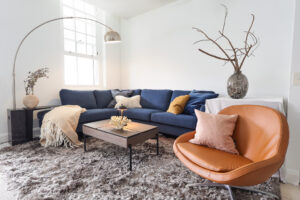
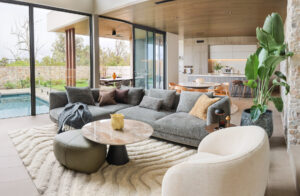
For example compare these two spaces below.
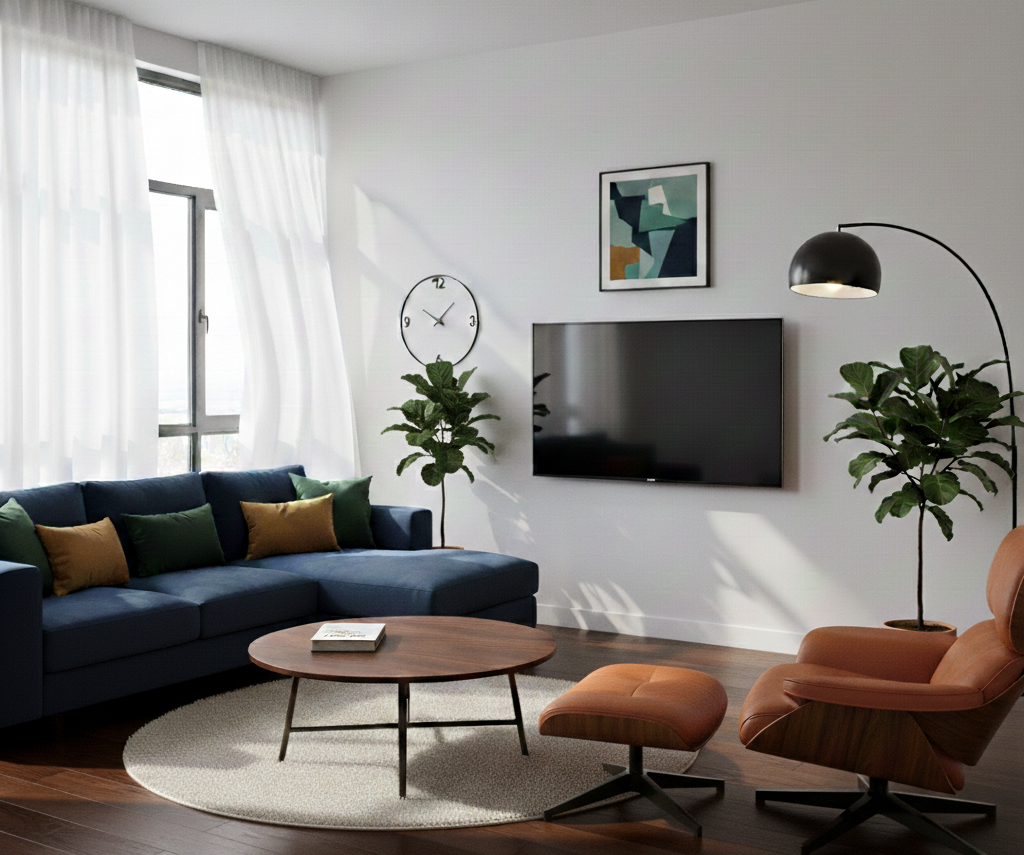
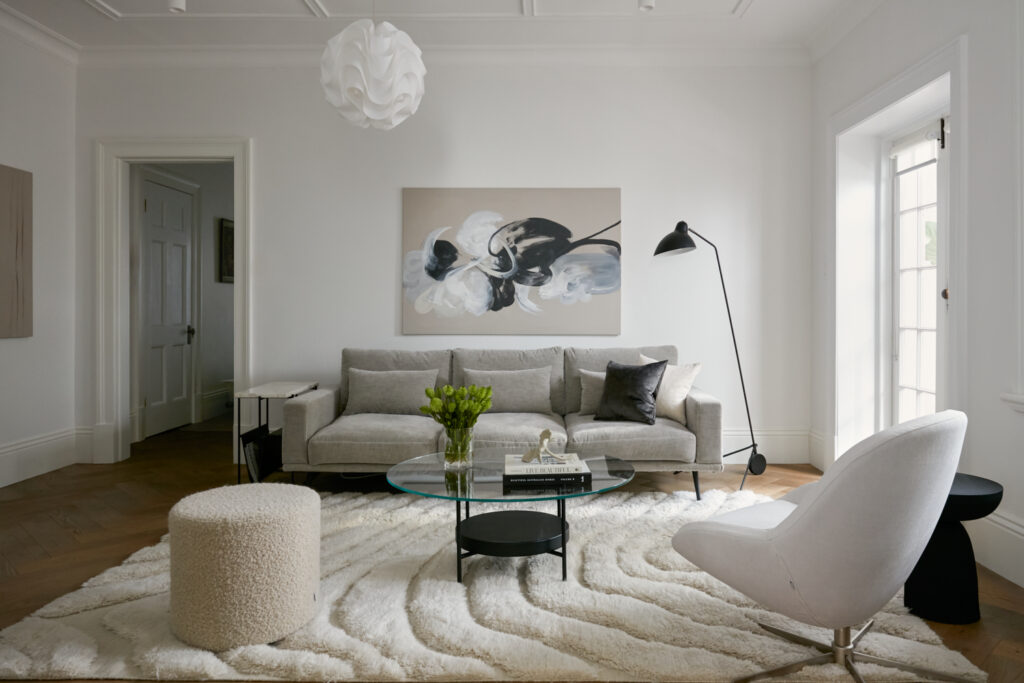
The example on the left looks like a hotel lobby, with furniture scattered, no color cohesion, and pieces placed on the wall randomly.
On the right we see a cozy room that uses a balanced composition to accentuate various features like the footstool, the pendant, and the swiveling chair.
Rule 1 – Leave open space
If you’re investing in quality pieces, negative space is what lets them shine.
Overfurnishing is the fastest way to make a premium room feel messy, and it’s usually driven by trying to “use every corner” instead of letting the layout breathe.
- There isn’t a universal “percentage rule”, but designers consistently stress the importance of open space to create calm and visual hierarchy.
Our interior designers suggest using a practical rule of thumb:
- Small rooms: aim for more breathing room (don’t fill every wall)
- Medium/large rooms: edit so hero pieces can stand out rather than competing
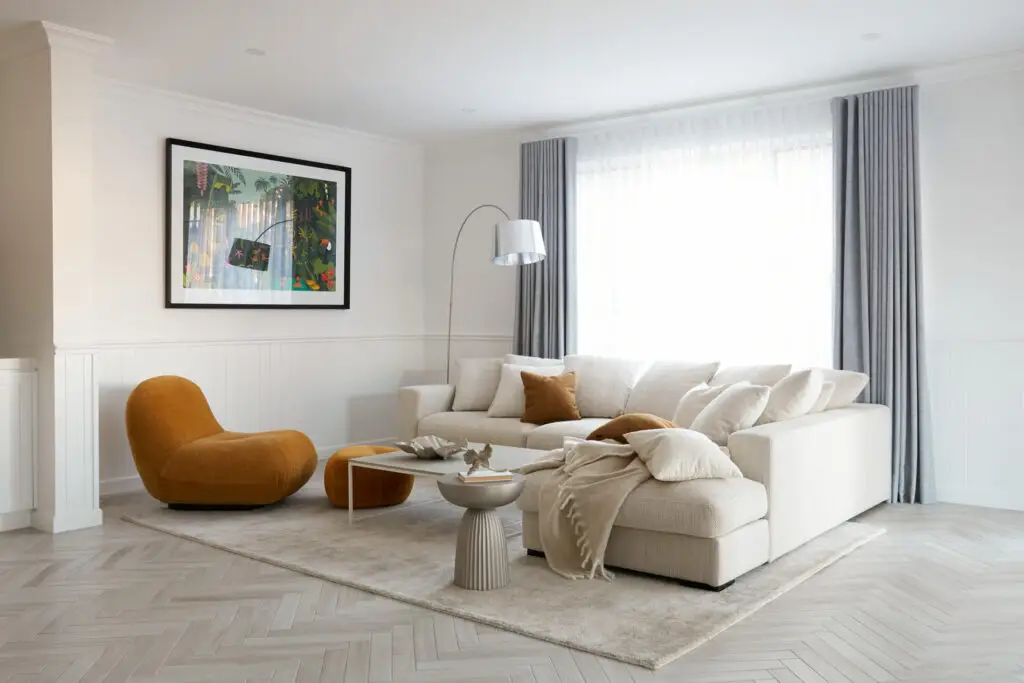
The takeaway point: Leave enough space in your room to highlight your main pieces, to separate furniture groupings, and to accentuate artwork or other features, otherwise you may risk them being drowned out by everything else in the room.
Rule 2 – Keep appropriate distancing
The Living Room
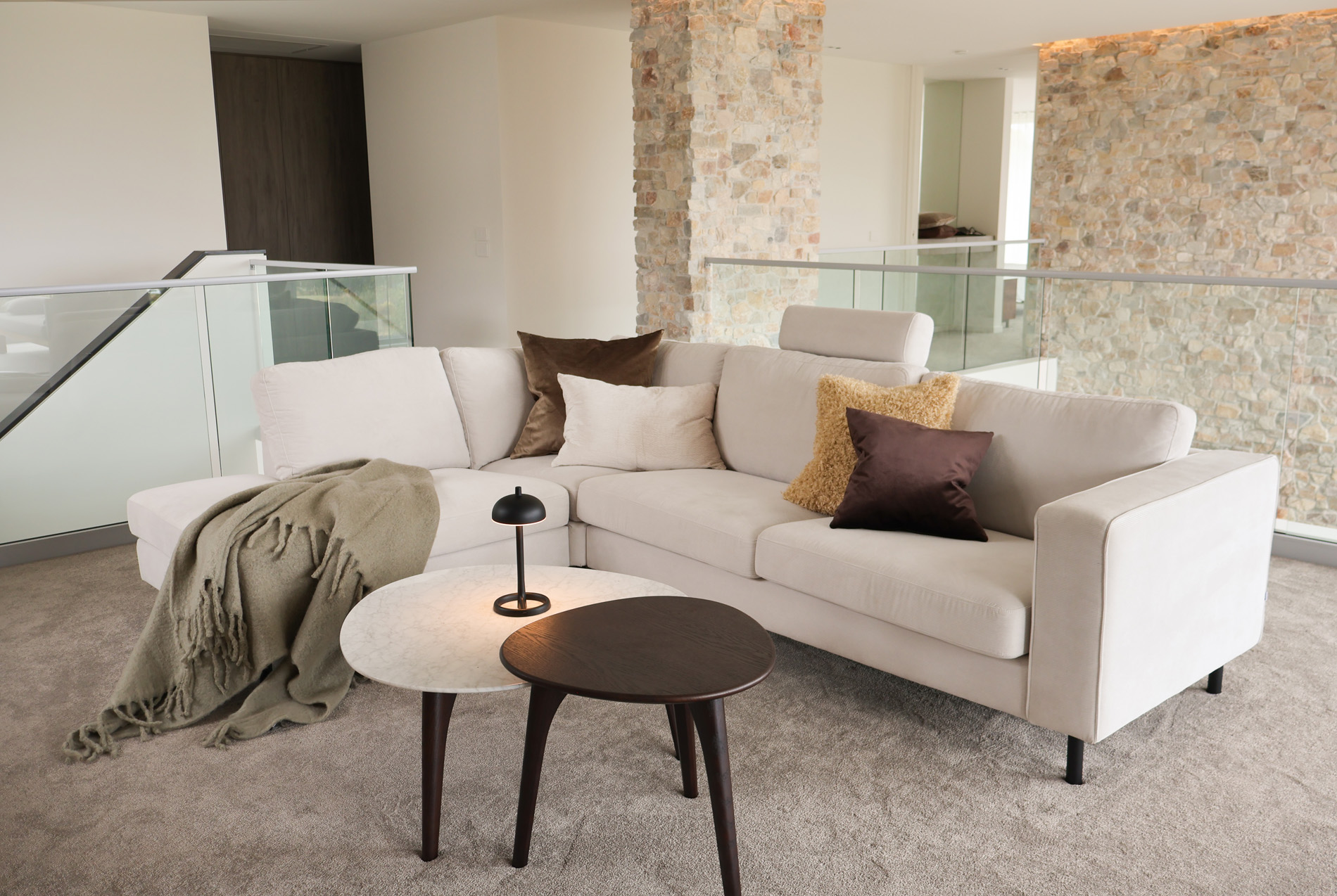
- Keep around 45-50cm between sofas and coffee tables.
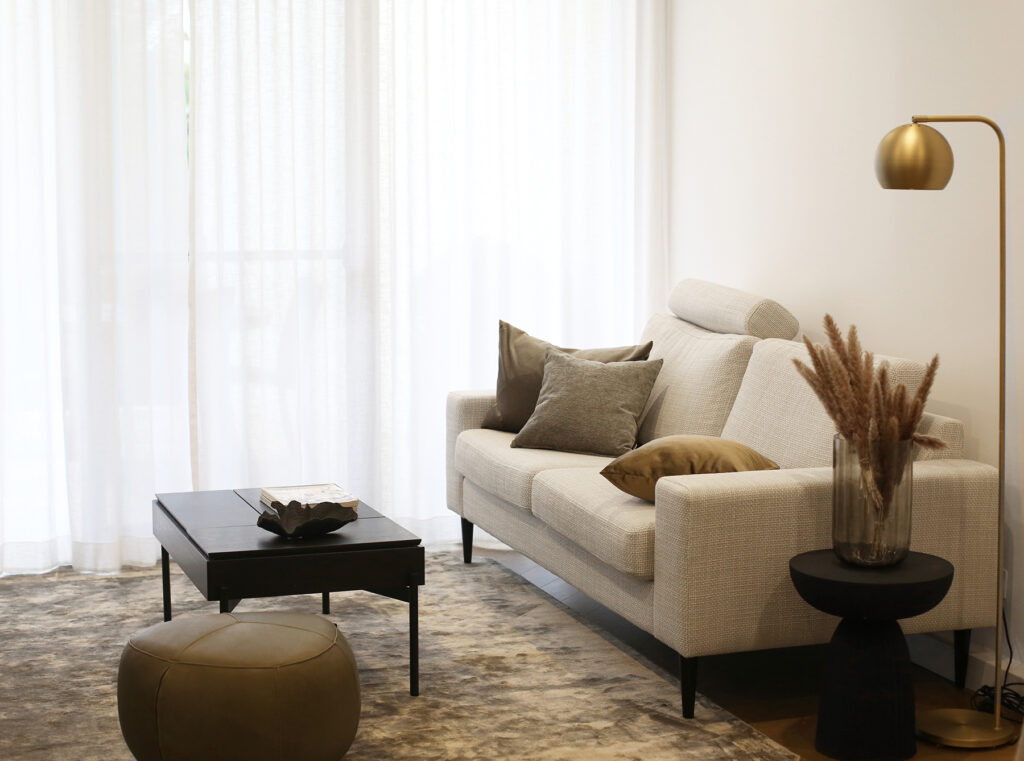
That distance is the sweet spot: close enough to reach a drink without leaning forward, far enough to avoid knocking knees and to allow movement through the seating zone.
If a living room feels disconnected, this is often the culprit. People push the coffee table away to create space, but it breaks the furniture grouping and makes the room feel less cohesive.
- Keep at least 60-80cm between coffee tables and tv units
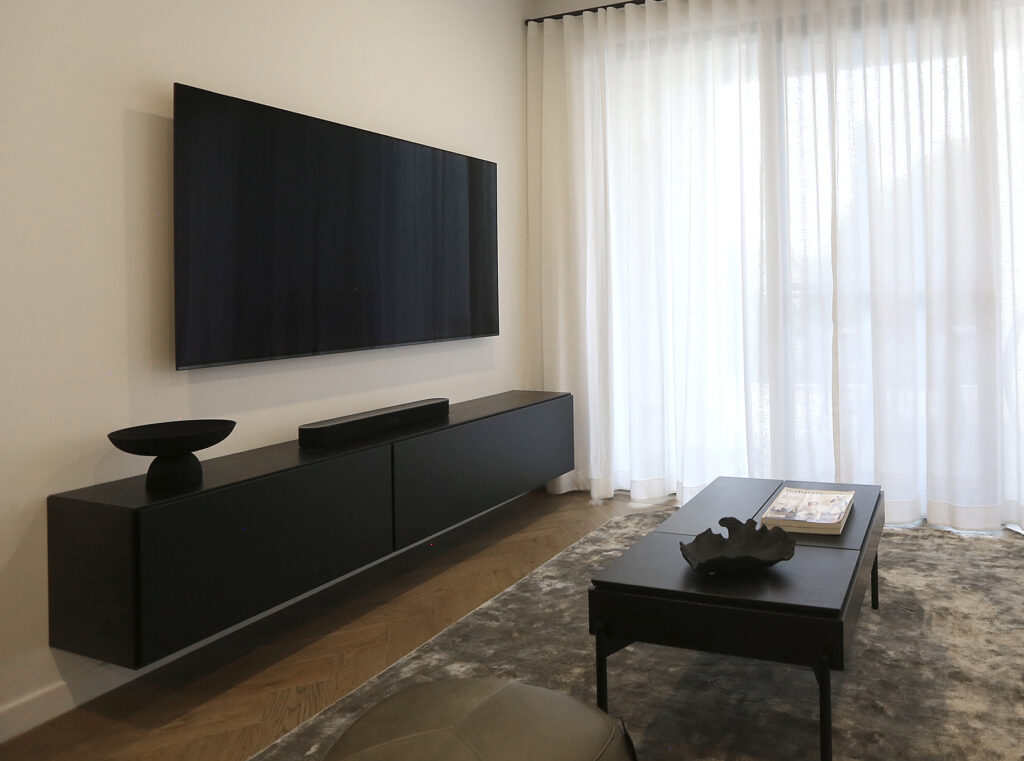
This distance is an overarching guideline for keeping enough space for a walkway and allowing foot traffic to flow freely through your space.
- Keep sofas 5-10cm off the wall (if not floating)
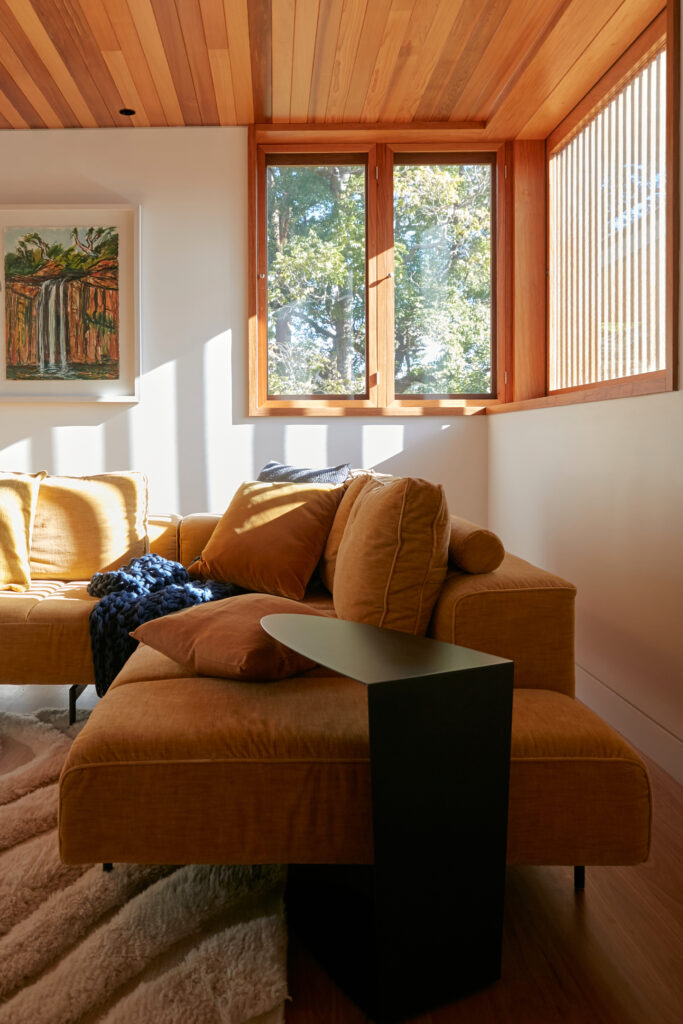
Pushing a sofa hard against the wall often makes a room feel smaller. Even a small gap introduces visual breathing room and improves proportions.
Any closer and you risk the space feeling overcrowded and cramped, without enough walking space.
Most other distancing guidelines for the living room depend on the size of the space, floorplan, intended layout and what specific pieces you’re eyeing up.
The Bedroom
- Keep a 5-10cm gap between nightstands and bed
This distance will make sure your bedroom doesn’t feel disjointed if too much, and avoids it feeling too cramped when too little space between is present.
- Try to keep a 75cm distance between the bedside and the wall
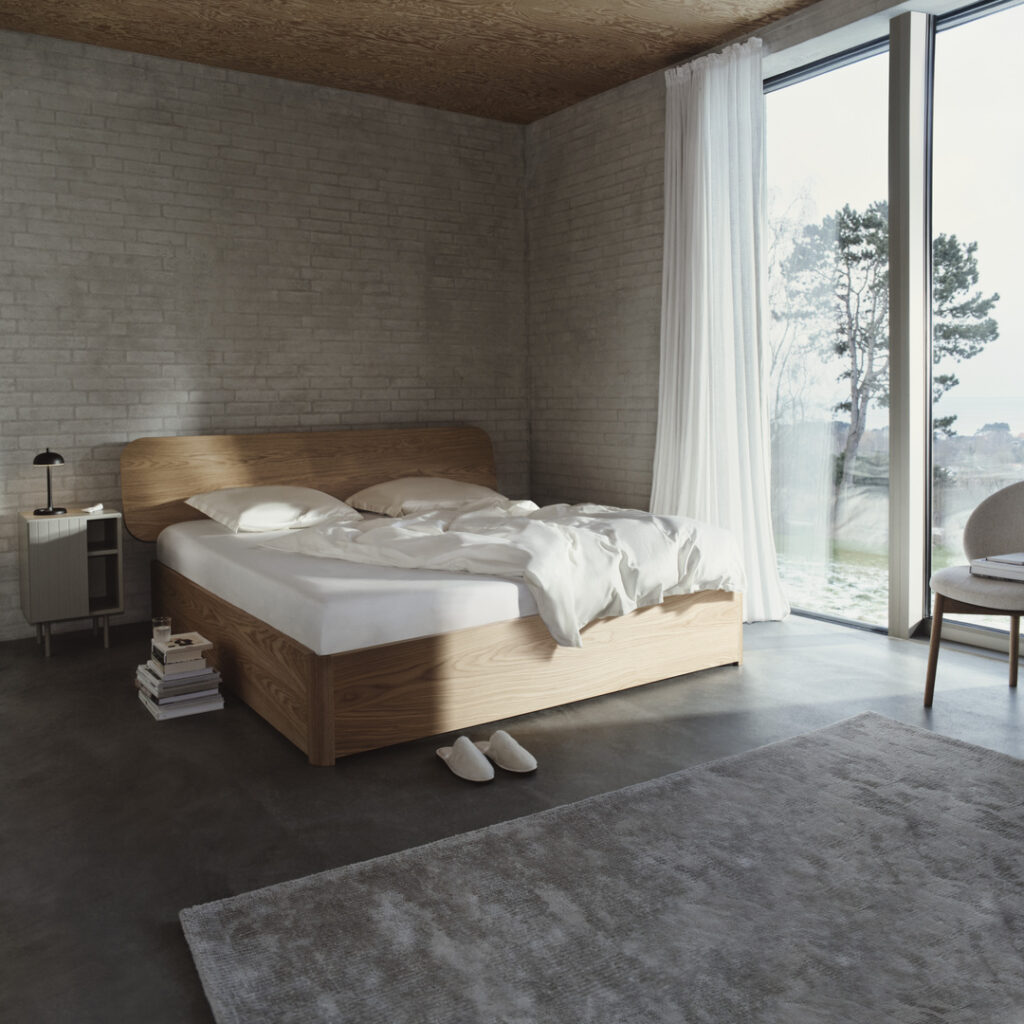
This distance will depend on how large your bedroom is, but will also aid in your choosing the right size of bed for the room itself.
Not only does it keep enough room for you to walk through and keeps the space comfortable rather than constrained, but it ensures your nightstands will fit.
The Dining Room
- Keep at least 1m of distance between your table and the walls
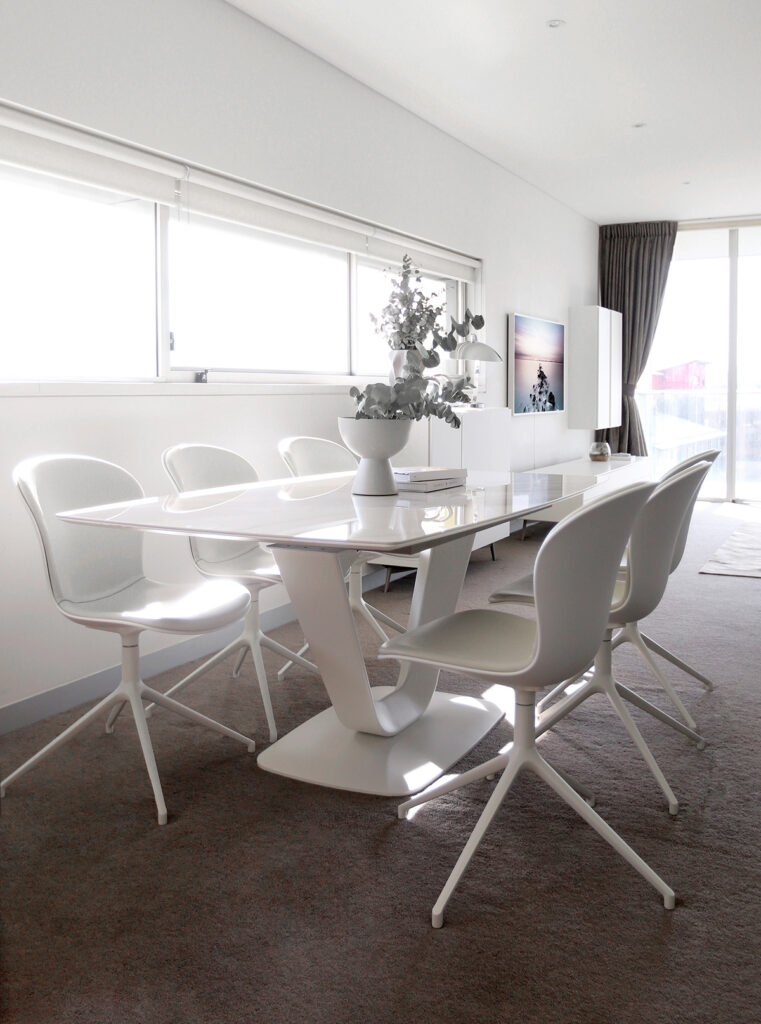
This also would include sideboards or cabinets. A simple detail that is fundamental to any dining room, as this will ensure you can select the right size table for your room and make the most use of the space you have.
The takeaway point: Ensure there is always enough distance between your furniture where walkways are necessary, as well as to avoid blending furniture groupings together which could create a scattered, incoherent look.
Rule 3 – Define one focal point
A room feels messy when everything is trying to be the hero. Don’t overdo it with too many accent walls or statement pieces, just stick to one each:
- Pick one primary focal point: fireplace, feature wall, statement artwork, or a sofa composition
- Everything else should either support it or be visually quieter
- Avoid placing two high-contrast focal points on opposite walls (e.g., TV wall and large artwork wall both screaming for attention)
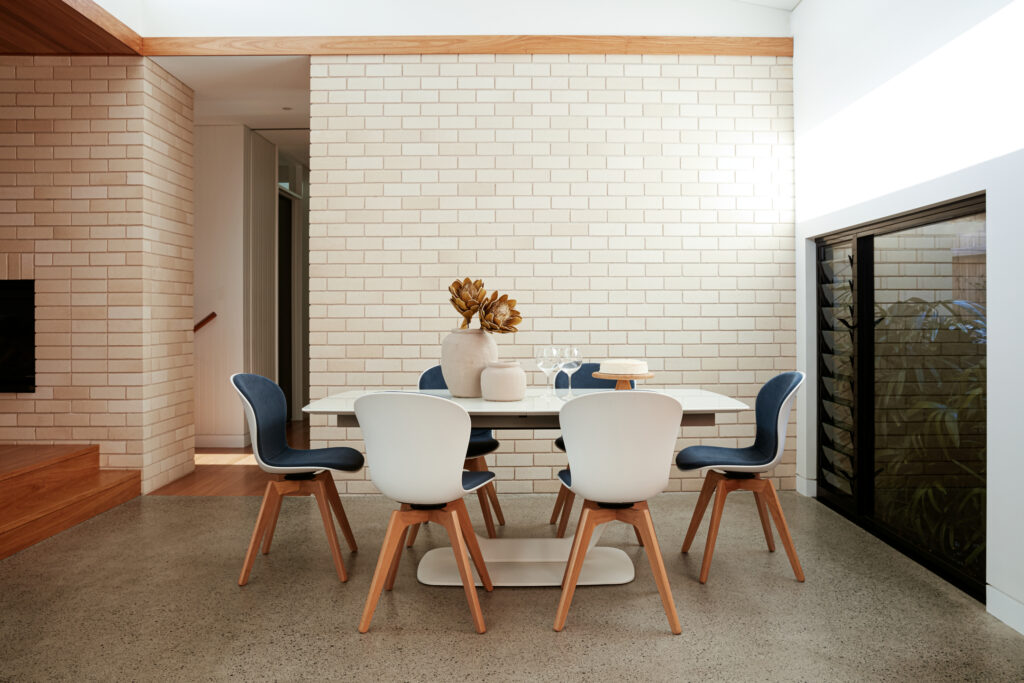
Designers use focal points to organise sightlines. When there’s no clear focal point, the room reads as scattered, even if the furniture is premium.
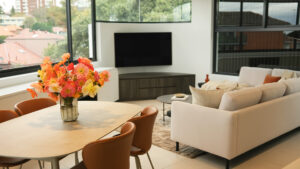
In the example above, we can see the clear focal point in this dining room is the table set. The walls already provide texture and the rest of the room adds its own sense of uniqueness, so there’s no need to overdo it with unnecessary added decor.
The takeaway point: Don’t overcomplicate your space with many different “feature” pieces, just stick to one and use additional items to compliment it tastefully.
Rule 4 – Use zones in open-plan rooms
Open-plan rooms fail when furniture doesn’t define areas. These areas need anchor points to keep them looking organized and well-balanced.
- Anchor each zone with a rug, light or both
- Use the walls as your starting point to create a boundary for each zone
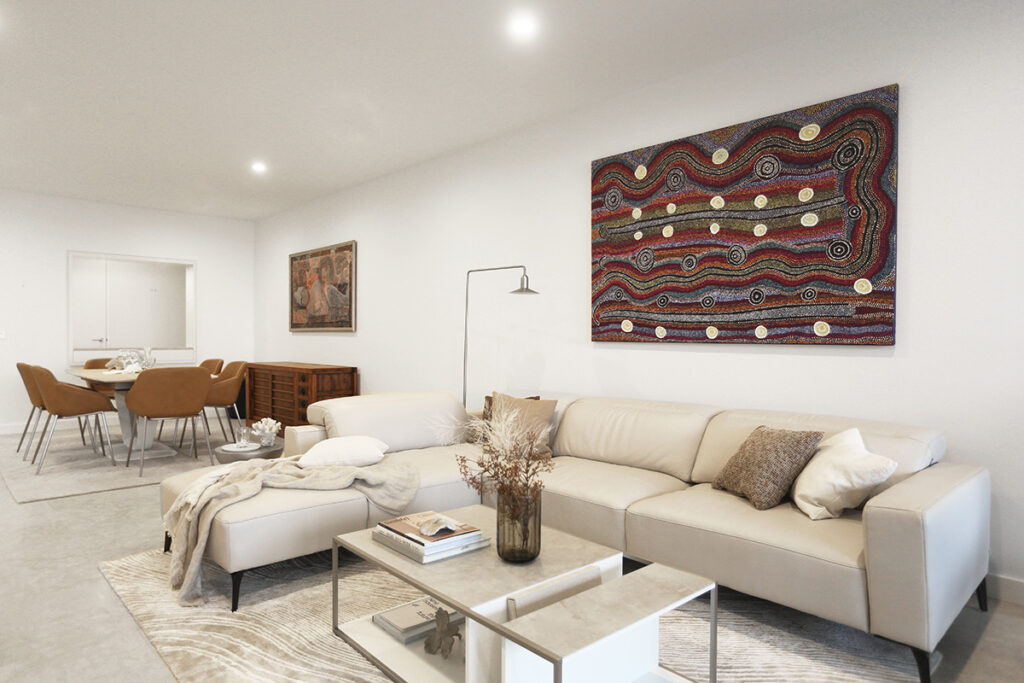
When your open floorplan is anchored in zones, it creates cozy, digestible areas that are easy to identify, which in turn helps boost your home’s hygge.
Something to avoid however, is a lack of cohesion between these zones. Make sure your individual styling and pieces reflect similarities such as colour, texture, and geometry so the room doesn’t feel chopped up and disconnected.
The takeaway point: Define your living room, dining room, breakfast bar, etc. into their own separate zones while keeping cohesive design throughout the entire space.
Rule 5 – Avoid edge clutter
A packed perimeter makes a room feel smaller. Designers often keep the edges of a room calmer so the centre zone feels purposeful and the overall space breathes.
- Don’t line every wall with furniture
- Leave at least one wall (or part of a wall) light and open
- Keep the room’s outer edges simple; concentrate detail in the primary zone (seating, dining, bed wall)
- Avoid too many small items scattered around the boundaries
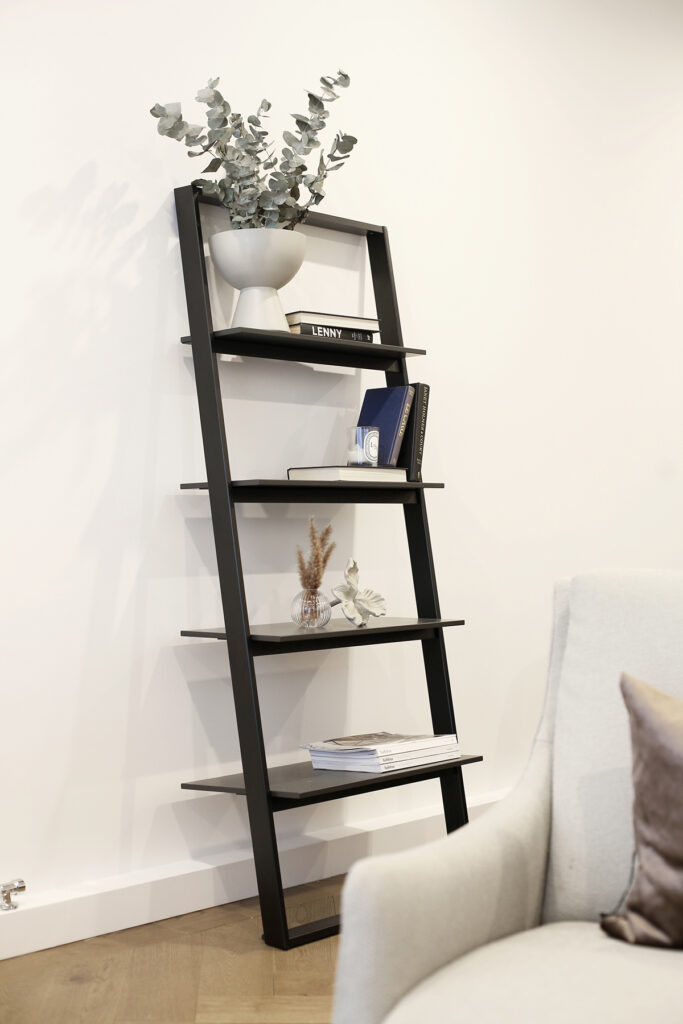
This is about how the room reads as a whole. When every corner is “filled”, the space feels like it’s trying too hard.
When there’s restraint around the edges, the main zone feels stronger and the room feels bigger.
In homes where rooms can be narrow, this is one of the easiest composition fixes: stop trying to fill every wall.
The takeaway point: Opt for larger and less. Use only a few bigger pieces of furniture around the perimeter of your room for each wall, and utilize available height to your advantage.
Conclusion
Good interior design composition rarely comes down to what specific pieces you choose, as the furniture in your home should reflect your personal wants and needs. In the end, it comes down to how everything relates to one another within your space.
When cohesion and visual balance are present, sightlines are clean, and there’s enough negative space for the room to breathe, the whole space feels calmer and more premium almost instantly.
If you’re updating a single room or planning a full home, use these guidelines as your foundation: prioritise circulation, anchor each zone, and let your key pieces lead.
If you want a layout tailored to your home, especially in tighter Sydney and Melbourne spaces, a professional interior design consultation can help you avoid expensive missteps and make every choice feel intentional.
Contact our team today and get personalised advice for your space!